
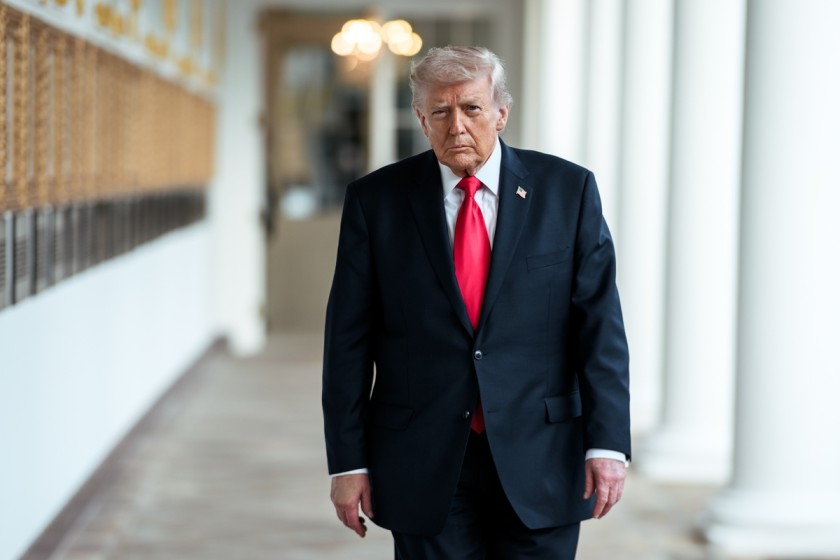
Early turbulence marred talks between the United States and Iran in Switzerland, as the Iranian delegation briefly exited the negotiations following remarks from US President Donald Trump. These discussions, with mediation assistance from Qatar and Pakistan, aim to expand on a recent memorandum of understanding designed to de-escalate Middle Eastern tensions, ensure maritime safety, and address longstanding issues between Washington and Tehran.
The Iranian delegation expressed dissatisfaction with President Trump’s public comments, which threatened Iran over its activities in the Strait of Hormuz and its backing of regional allies. Iranian officials reportedly found these statements to be inappropriate amid ongoing diplomatic negotiations. Despite this setback, the dialogues continued discreetly, with mediators working to keep both parties engaged. Iranian Foreign Minister Abbas Araghchi later commended these mediation efforts, and officials from Qatar and Pakistan announced that technical discussions would proceed throughout the week.
The talks are not only concentrating on stability in the Strait of Hormuz but are also addressing compliance with ceasefire agreements in Lebanon and economic concerns, including sanctions and the status of Iran’s frozen assets. Iran maintains that a durable agreement must include assurances on regional security and the lifting of sanctions.
US Vice President JD Vance has taken a more diplomatic approach, expressing Washington’s hope to enhance relations with Iran if advancements can be made regarding regional stability and nuclear issues. Despite the disagreements that persist, both parties have signaled their intention to continue the discussions.