
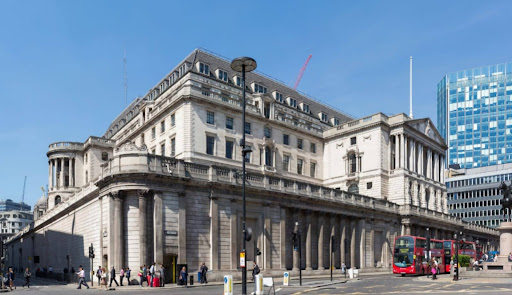
Fresh alarm bells are ringing over UK price stability after the Bank of England held interest rates at 3.75% on Thursday and flagged that the Iran war could push inflation above 3% and potentially trigger rate hikes before the summer. The monetary policy committee’s unanimous decision to hold was anticipated by markets, but the hawkish tone of the statement and the governor’s warnings caught some analysts off guard. The announcement signalled that the Bank is operating in a fundamentally different policy environment compared to just a few weeks ago.
The source of the new alarm is the US-Israel military campaign against Iran, which has sent global oil and gas prices sharply higher and threatened to undo the progress the UK had made in bringing inflation under control. The Bank had previously expected inflation to approach the 2% target around April, but has now revised those projections upward to reflect the energy price impact of the conflict. Inflation is now expected to rise to around 3.5% in March and remain above target throughout 2026.
Governor Andrew Bailey said the effects of the conflict were already traceable in the UK economy. Rising petrol prices were the most immediate and visible sign of the shock, with the potential for higher household energy costs to follow. He emphasised that the Bank’s commitment to its 2% inflation target was unconditional, and that it stood ready to use its tools if the situation demanded action.
Markets moved decisively after the announcement. UK sovereign bond yields rose, the pound gained against the dollar, and the FTSE 100 fell as investors priced in a tighter monetary policy outlook. City traders now widely expect a rate hike in June, with a second possible before year end. Mortgage rates for five-year fixed deals have already moved to reflect the changed environment.
Internal MPC dynamics have shifted noticeably in response to the war. Previously dovish members have adopted a more cautious stance, with some indicating they could now support rate hikes under certain scenarios. The committee’s next meeting will be closely watched as a barometer of how far opinion has swung from the easing stance that had prevailed before the conflict began.