
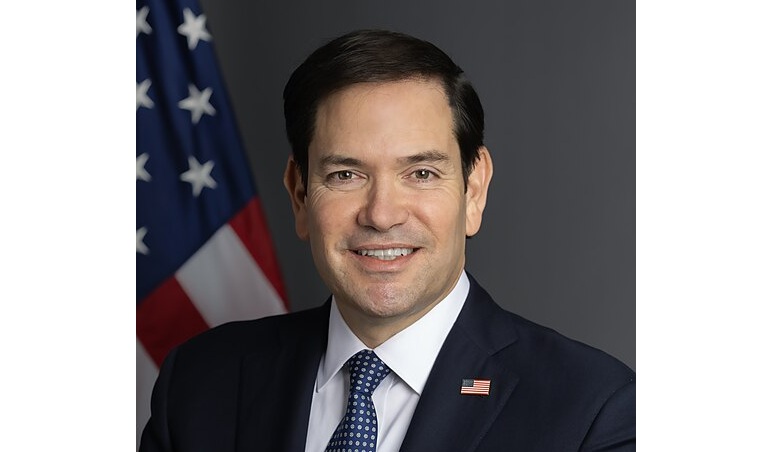
The United States has taken a significant step by labeling Brazil’s two most prominent criminal organizations, the First Capital Command (PCC) and the Red Command, as foreign terrorist entities. This decision is based on their extensive involvement in drug trafficking, organized crime, and the threats they pose to regional security. These groups are notorious for their violent activities within Brazil and have extended their influence throughout Latin America, reaching as far as the United States, according to US Secretary of State Marco Rubio. This designation aligns them with other regional criminal organizations that have previously been classified similarly.
Both the PCC and the Red Command have their origins in Brazil’s prison system, where they initially formed before evolving into formidable international crime syndicates. They are heavily involved in the cocaine trade, particularly in transporting the drug produced in neighboring countries to lucrative markets in North America and Europe. This pivotal role in the drug trade underscores their significant impact on the global narcotics economy.
Brazilian President Luiz Inácio Lula da Silva has expressed opposition to the US move, arguing that Brazil possesses its own mechanisms to tackle organized crime. He also raised concerns about the implications for national sovereignty. Nonetheless, Brazilian authorities have not been idle; they recently initiated new operations aimed at the PCC, targeting its alleged penetration into the financial sector. These actions suggest a complex interplay between national efforts and international perceptions in combating organized crime.
The US decision to categorize these groups as terrorist organizations is poised to influence Brazil’s political landscape, particularly as the country approaches its presidential election. Opposition figures have embraced the US measure, viewing it as a robust international stance against organized crime. Meanwhile, experts are evaluating the practical outcomes of this designation, especially regarding its effects on financial transactions and the potential for enhanced regional security collaboration.