
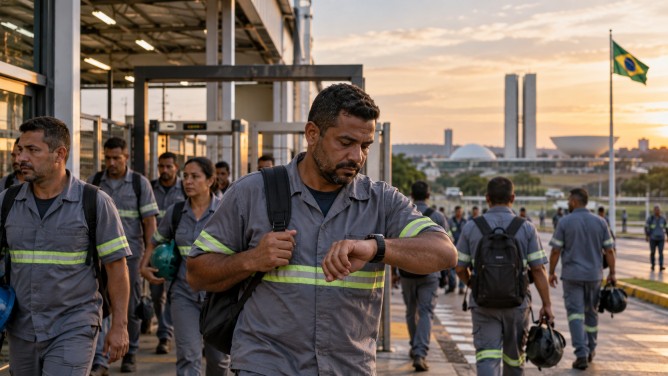
Brazil’s Congress has approved a landmark constitutional amendment to reduce the maximum workweek to 40 hours, a significant development for President Luiz Inácio Lula da Silva as he approaches the presidential runoff scheduled for October 25. This reform, which could positively impact over 30 million Brazilian workers, aims to improve work-life balance by reducing working hours and eliminating the common six-day workweek.
The amendment, which passed the lower house in May, gained overwhelming support in the Senate with 75 votes in favor and only one against. It is designed to benefit sectors such as retail, restaurants, and hotels, where six-day schedules are prevalent, by gradually reducing the maximum weekly working hours from 44 to 40. This change is expected to allow workers more time for rest, family commitments, and personal activities.
President Lula has been a vocal supporter of the reform, emphasizing the importance of workers having more time with their families to enhance their quality of life. This approval is likely to bolster his campaign, especially among low-income workers who endure long hours with limited rest. In contrast, Lula’s opponent, far-right senator Flávio Bolsonaro, initially opposed the proposal, cautioning it could lead to unemployment. However, he altered his stance before the Senate vote, acknowledging the public’s support for the reform.
The initiative originated from a grassroots campaign advocating for a better balance between work and personal life before gaining traction within Lula’s political party. Proponents argue that shorter working hours could enhance workers’ physical and mental health, providing more opportunities for education and family care. Labor researchers have pointed out the challenges faced by those with only one day off per week, which can lead to exhaustion and limited social opportunities, particularly affecting women who manage significant unpaid domestic responsibilities.
Despite its approval, the reform will not be implemented immediately. Following its formal promulgation, a 60-day period will precede the transition, during which the maximum workweek will first decrease to 42 hours before reaching the final 40-hour target after an additional 14 months. This timing is crucial as it aligns with Brazil’s presidential election campaign, where the reform allows Lula to showcase his commitment to workers’ rights and economic well-being in his competition against Bolsonaro.