
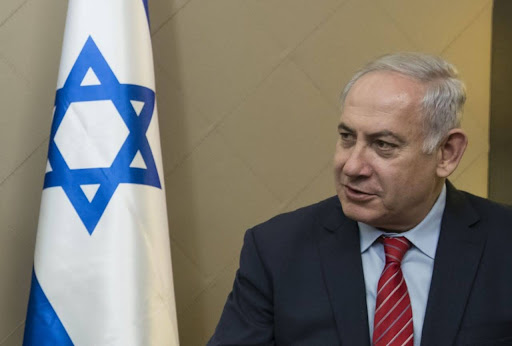
Standing before an attentive press corps on Friday, Israeli Prime Minister Benjamin Netanyahu declared that the world would be surprised by how quickly the war with Iran came to an end, pointing to the destruction of Tehran’s uranium enrichment and ballistic missile capabilities as evidence that the conflict was already moving toward resolution. He rejected reports that Israel had manipulated the United States into the war, calling them false. Netanyahu radiated strategic confidence throughout the briefing.
Netanyahu addressed the partnership with Trump in terms that were both warm and precise. He described it as historically unprecedented in its closeness, while framing Trump as the alliance’s leader and himself as a committed ally. Netanyahu revealed that Trump had independently articulated the full dangers of Iran’s underground nuclear program in their conversations, demonstrating an analytical depth that Netanyahu credited with enriching their shared strategy.
The prime minister confirmed Israel acted alone in striking the South Pars gas compound and disclosed Trump’s request to hold off on further attacks on Iranian gas infrastructure. He handled the disclosure with diplomatic ease, presenting both facts as consistent with a healthy and open alliance. Netanyahu was explicit that Israel’s operational independence remained a non-negotiable feature of its military strategy.
On Iran’s Hormuz threats, Netanyahu was dismissive and strategic in equal measure. He labeled them blackmail that would not work and proposed pipeline routes from the Arabian Peninsula to Israeli and Mediterranean ports as a permanent structural alternative. Netanyahu linked this infrastructure vision to a broader post-conflict agenda for transforming the region’s energy landscape.
Netanyahu closed by describing the fractures he observed in Iran’s new leadership hierarchy. The anticipated supreme leader had not been seen publicly, and Netanyahu said he genuinely did not know who was governing Tehran. He pointed to the fierce competition among rival power centers and concluded that this internal dysfunction, combined with military losses, was shortening the war’s timeline.