
Monday’s crisis threw into sharp relief just how dependent the global energy system has become on a single small peninsular nation in the Persian Gulf. Qatar, a country with a population of less than three million people, has built itself into one of the most strategically critical energy suppliers on the planet — and the shutdown of its LNG production facilities following drone attacks sent shockwaves through gas markets around the world.
Qatar’s rise to energy prominence is the product of decades of deliberate investment in LNG infrastructure. The country sits atop the North Dome gas field — the world’s largest natural gas reservoir, shared with Iran — and has invested heavily in the technology and infrastructure needed to liquefy natural gas and ship it to customers around the world. The Ras Laffan industrial complex, site of Monday’s drone attack, is one of the largest LNG production facilities in existence.
The scale of Qatar’s market position becomes clear when the numbers are examined. The shutdown of its production facilities could remove close to 20% of global LNG supply. Qatar accounts for approximately 6.5% of UK LNG imports and is a critical supplier to multiple Asian economies. Its long-term supply contracts underpin energy planning for utilities and governments across Europe and Asia. When Qatar sneezes, in other words, global gas markets catch a very serious cold.
European gas prices surged 41% on Monday in response to the production halt. UK gas prices rose 40% in a single session. Asian buyers who depend on Qatari supply face the prospect of scrambling for alternative cargoes on an already tight spot market. Energy experts warned that household and business energy bills could rise significantly if the disruption continues.
The crisis raises fundamental questions about the wisdom of concentrating so much of the world’s LNG supply in a single facility in a geopolitically volatile region. Energy security experts have long argued for greater diversification of supply sources, stronger strategic reserves, and more investment in domestic energy production and renewables. Monday’s events provided powerful evidence for the importance of these measures — and a sobering reminder of the costs of insufficient supply diversification.
How Qatar Became the World’s Most Strategically Important Energy Supplier
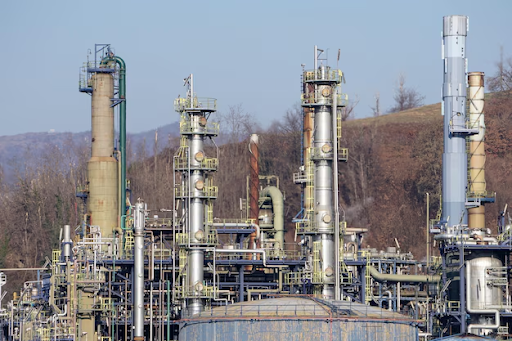
Picture Credit: www.freepik.com
43