
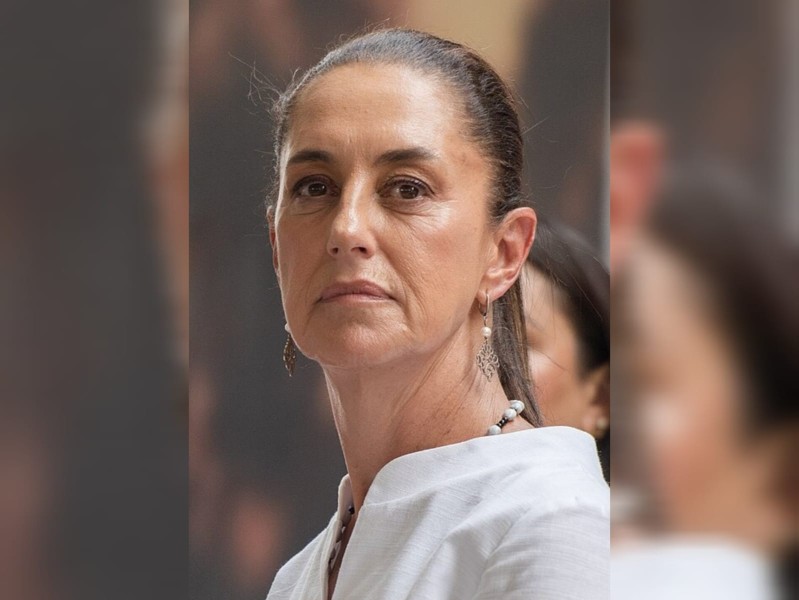
Mexico’s Senate has given its approval to a constitutional amendment aimed at nullifying election results if they are found to be affected by foreign interference. This legislative move, spearheaded by President Claudia Sheinbaum, seeks to define such interference in broad terms, encompassing illicit financing, propaganda, misinformation campaigns, digital manipulation, and interventions by foreign governments or organizations.
Proponents of the amendment argue that it is a crucial step to safeguarding Mexico’s sovereignty and ensuring that the country’s political destiny is decided solely by its citizens. President Sheinbaum has been vocal about her stance that foreign influences should not play a part in determining the outcomes of Mexican elections.
However, the amendment has not been without controversy. Opposition parties and political analysts have expressed concerns over the ambiguous language of the proposal. Critics fear that the law could be wielded to contest election outcomes based on a broad spectrum of actions, which might include comments from international officials, assessments by foreign organizations, or even media reports from outside the country.
Having already cleared the lower house of Congress, the amendment now awaits ratification from a majority of Mexico’s 32 state legislatures. With the Morena party holding sway in most state governments, the path to ratification appears likely. This legislative development comes as the nation braces for midterm elections next year, where Morena could encounter stiffer electoral challenges. Under the new rules, Mexico’s electoral court would be empowered to annul election results should foreign interference be deemed to have taken place.
While supporters of the measure see it as a necessary protection against external attempts to influence Mexico’s democratic processes, opposition lawmakers worry that it could potentially grant the ruling party undue influence over election results. The debate continues as both sides weigh the implications of the proposed changes on Mexico’s electoral landscape.