
Robert Redford, a titan of the silver screen who became an international symbol of romance despite his own reservations, has passed away at 89. While his career spanned decades and genres, his legacy is inextricably linked to the iconic, yet complex, romantic heroes he portrayed, creating a cinematic ideal that many have since tried to replicate.
His performance as Hubbell Gardiner in 1973’s The Way We Were is a masterclass in the genre. Alongside Barbra Streisand, he created a character whose charm was matched only by his tragic flaws. Their story of love torn apart by ideology and personality resonated deeply with audiences, not just for its passion, but for its painful authenticity, largely thanks to Redford’s nuanced portrayal.
A decade later, he would do it again in Out of Africa. As the handsome adventurer Denys Finch Hatton, he swept Meryl Streep—and audiences—off their feet. The film’s epic scale was matched by the intensity of its central romance, proving that Redford’s appeal was timeless. He had a unique ability to represent an idealized form of masculinity that was both rugged and sensitive.
Yet, the man himself was often at odds with this public perception. Redford frequently expressed a desire to be seen as more than a handsome leading man, actively choosing roles in gritty political thrillers and character dramas to undercut his romantic image. He was an artist who wrestled with the very fame his iconic roles brought him.
In the end, what made his romantic performances so powerful was the very intelligence and depth he brought to them. He never played the simple hero; there was always a layer of melancholy, a hint of conflict beneath the surface. With his death, we lose an actor who elevated the romantic genre, leaving behind a legacy of unforgettable love and loss.
The Reluctant Idol: Robert Redford, Who Mastered Romance, Dies at 89
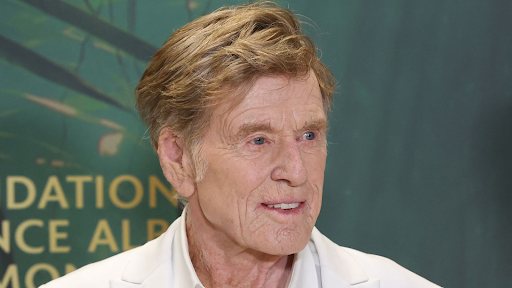
Picture Credit: www.heute.at
107