
At the Munich Security Conference last week, Nickolay Mladenov — the former UN envoy tapped to oversee Gaza’s transitional governance committee — delivered a message that cut through diplomatic niceties: the current situation is embarrassing the committee and making it ineffective. All of it needs to move very fast.
Mladenov’s remarks were a direct and public acknowledgment of the implementation crisis surrounding Trump’s Gaza peace plan. The transitional committee, a 15-member body of politically independent Palestinian administrators, cannot enter Gaza from Egypt because Israel has not granted permission. It cannot begin its work because Hamas has not handed over power and ceasefire violations have not stopped.
As Trump’s Board of Peace convened its first meeting Thursday in Washington, Mladenov’s warning remained the operational backdrop. The board has grand ambitions — governing and rebuilding Gaza, creating a stabilization force, and even challenging the UN Security Council’s role in conflict resolution. But those ambitions depend entirely on implementation steps that have not occurred.
Trump claimed this week that board member countries had pledged $5 billion for reconstruction and thousands of peacekeeping personnel. Those figures have not been publicly verified. The UN estimates reconstruction will cost $70 billion. The gap between claimed pledges and estimated needs is vast, and the governance structures needed to deploy even the pledged funds are not yet functional.
Mladenov’s frustration speaks to a deeper truth about peace processes: institutional frameworks, however carefully designed, cannot substitute for political will. The Board of Peace has the institutional framework. The question of political will — from Hamas, from Israel, and from the United States — remains unanswered.
Trump’s Board of Peace: Nickolay Mladenov’s Urgent Warning From Munich
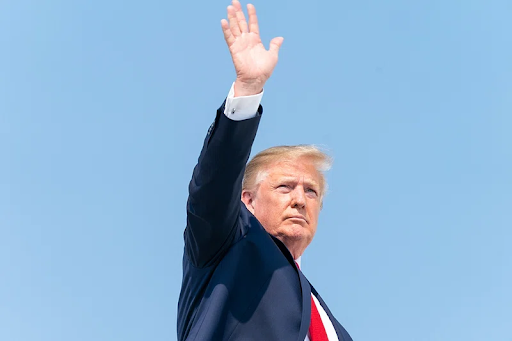
Picture Credit: www.rawpixel.com
53