
Mojtaba Khamenei was confirmed as Iran’s new supreme leader on Sunday against a backdrop of military conflict, energy market turmoil, and a rapidly expanding theater of war across the Gulf. The Assembly of Experts announced his appointment following what it called a decisive vote, calling on Iranians to stand united behind the new leadership. His father, Ayatollah Ali Khamenei, was killed in a US-Israeli strike on Tehran on February 28.
The new supreme leader is 56 years old and lacks any formal background in elected government. He spent his career building influence within his father’s inner circle and maintaining close ties with the IRGC. Born in Mashhad and educated in Qom, Mojtaba is deeply embedded in the ideological and institutional core of the Islamic Republic, even if he has remained out of public view for most of his life.
All of Iran’s main institutional pillars endorsed the appointment within hours. The IRGC, armed forces, parliament’s speaker, and senior security officials all publicly pledged their support. The Houthi rebels in Yemen offered effusive congratulations, calling the appointment a new victory for the Islamic Revolution. Iranian missiles bearing loyalty inscriptions were featured in state media broadcasts, signaling military alignment with the new leadership.
On the same day, Iran’s forces attacked five Gulf states — Saudi Arabia, Kuwait, Bahrain, Qatar, and the UAE — in a major escalation. Saudi air defenses intercepted 15 drones, and two civilians were killed in Al-Kharj. Bahrain’s desalination plant sustained damage. Israel launched fresh strikes on Iranian infrastructure on Monday, and the IRGC threatened to push oil prices above $200 per barrel. The US pledged not to target Iran’s energy infrastructure in an effort to steady markets.
For Mojtaba Khamenei, the opening days of his supreme leadership are defined by crisis upon crisis. He inherits not just his father’s title but the full weight of the military conflict, the economic pressure, and the ideological stakes of leading a revolutionary state in its most perilous moment in decades. How he navigates these challenges — and whether he proves capable of leadership at this scale — will determine the Islamic Republic’s fate.
Iran’s New Supreme Leader Named as Country Faces War, Oil Shocks, and Gulf Escalation
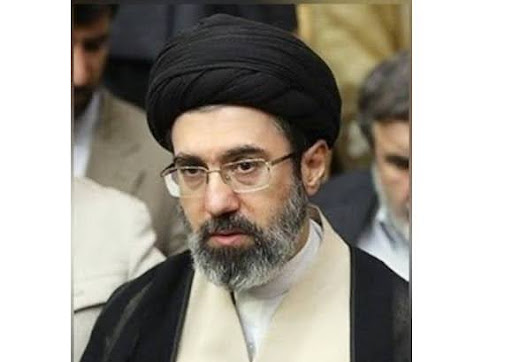
Picture Credit: Mahmoud Hosseini / Tasnim News Agency via Wikimedia Commons
22