
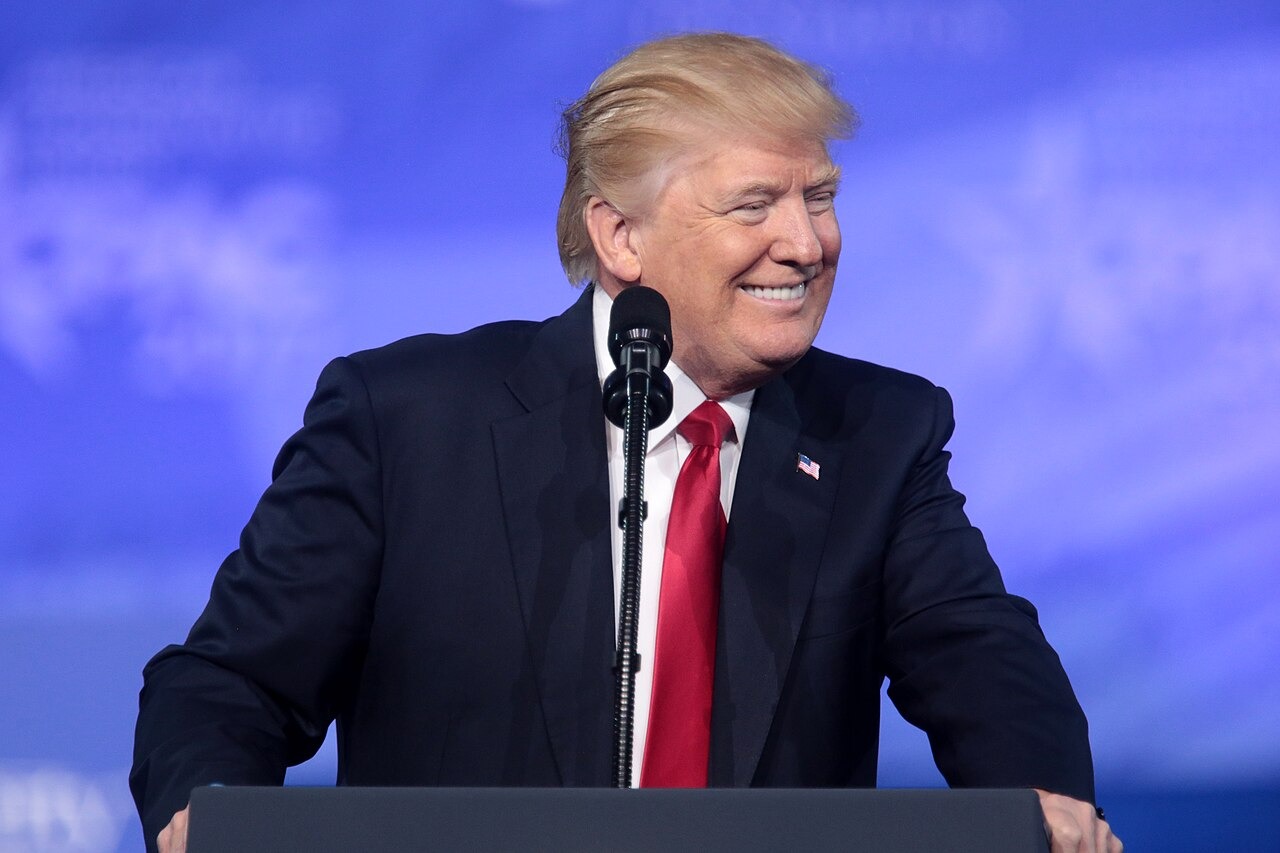
The ongoing tension in the Gulf region has escalated as former U.S. President Donald Trump issued a stark warning to Iran, stating that the country would face severe consequences if it launches attacks on U.S. vessels. These vessels are part of an American operation aimed at reopening the crucial strait of Hormuz. The operation, which commenced on Monday, seeks to aid hundreds of ships and their crews that have been stuck in the Gulf, a situation that has heightened the risk of a large-scale conflict in the area.
Efforts to clear the strait of Hormuz have been met with resistance from Tehran, which has attempted to maintain its blockade of this significant maritime passage. The strait is pivotal to global trade, with approximately 20% of the world’s oil supplies passing through it. In response to Iranian actions, the U.S. military has reported the destruction of six Iranian small boats and the interception of Iranian cruise missiles and drones. However, these claims have been refuted by Iranian authorities.
Trump’s aggressive rhetoric threatens the delicate ceasefire that was brokered by Pakistan last month. Although this ceasefire managed to halt active hostilities temporarily, it did not succeed in reopening the strait of Hormuz. The waterway’s closure continues to pose a severe disruption to international oil trade, affecting the economies of numerous countries dependent on this route.
The crisis has left over 800 ships stranded in the Gulf, with about 20,000 crew members on board. These individuals face uncertain conditions as diplomatic efforts struggle to resolve the standoff. The situation underscores the strategic importance of the strait of Hormuz and the potential global implications of prolonged disruptions in this region.