
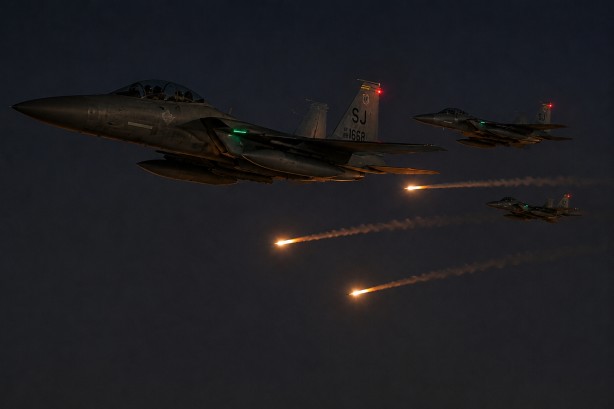
The United States and Saudi Arabia have launched coordinated military strikes on sites associated with Iran-backed militias in Iraq, following a series of recent regional attacks that have escalated tensions in the Middle East. These operations come in response to a heightened threat environment, after Iranian ballistic missiles aimed at American forces were intercepted, averting potential damage to a US military installation in Jordan. Washington has issued a stern warning, indicating that any further aggression toward US forces or Saudi energy interests will prompt additional military responses.
The joint military action specifically targeted locations tied to Iraq’s Popular Mobilisation Forces (PMF), resulting in the deaths of at least 20 militia fighters and injuries to several others, as reported by officials. This decisive move underscores the commitment of the US and Saudi Arabia to counter threats posed by Iran-backed groups in the region.
Simultaneously, Iran’s Revolutionary Guards have reported the interception of three oil tankers in the Strait of Hormuz, alleging that these vessels were in violation of Iranian maritime regulations. This incident has intensified fears concerning the stability of global energy supplies, causing a surge in Brent crude oil prices.
The escalation in hostilities disrupts a short-lived cessation of conflict and raises questions about the broader stability of the region. In Iraq, authorities have initiated an inquiry into recent drone attacks, while armed factions with ties to Iran have refuted any involvement in these incidents. These developments highlight the persistent security challenges facing the Gulf area and the vital international shipping routes that pass through it.